If you want beach-town living without giving up access to Boston, Hull deserves a closer look. This small South Shore peninsula offers a lifestyle shaped by shoreline, ferry service, and a daily rhythm that feels different from a typical suburb. If you are weighing commute options, weekend quality of life, or the long-term appeal of a coastal home, Hull has a very specific niche. Let’s dive in.
Why Hull Feels Different
Hull is not just another coastal town on the map. It is the smallest town by land area in Plymouth County, with about 2.87 square miles of land and an estimated 2024 population of 10,278.
That compact footprint matters in everyday life. Hull is a narrow, low-lying peninsula with roughly 33 miles of shoreline, set between Hingham Bay and the Atlantic Ocean. Instead of feeling spread out like a conventional suburb, it feels water-oriented, close-knit, and unmistakably coastal.
For many buyers, that is the appeal. You are not moving to Hull for a generic South Shore experience. You are choosing a place where the beach, the bay, and the shoreline are part of your daily backdrop.
Boston Access in Real Life
One of Hull’s biggest strengths is that you can enjoy a beach-town setting while staying connected to Boston. The MBTA operates year-round ferry routes linking Hull and Hingham with the Boston waterfront, Charlestown, and Logan Airport.
That ferry connection is a major part of Hull’s identity. The town does not have its own commuter rail or rapid transit, but it does have fixed-route bus service, water ferry service, and access to nearby commuter rail stations in Hingham and Cohasset.
For many residents, the ferry is the headline feature. Long Wharf in Boston is within walking distance of Aquarium and State Street T stations, which helps make the trip practical for workdays, meetings, and city errands.
Driving still plays an important role. Route 228 connects Hull to Route 3A in Hingham, creating a road link to the broader region when your schedule, weather, or errands make driving the better option.
What the Commute Tradeoff Looks Like
Hull is best for buyers who understand the value of options. You may be able to build a more car-light routine around the ferry, especially if your work or regular destinations line up well with the Boston waterfront.
At the same time, Hull is still a peninsula. That means access patterns are more limited than in a town with direct rail service or multiple major road connections.
For the right buyer, that is a worthwhile tradeoff. You get a more immersive coastal setting, and you still have realistic ways to reach Boston when you need to.
Life Around Nantasket Beach
Nantasket Beach is at the center of Hull’s public-facing lifestyle. The Nantasket Beach Reservation includes a mile of Atlantic shoreline and serves as one of the area’s best-known summer destinations.
For residents, the beach is not just a place you visit once in a while. It becomes part of how you spend time close to home, whether that means morning walks, quick beach stops, or meeting friends and family outdoors.
The reservation supports swimming, biking, and hiking. In summer, it can also include concerts or public dance lessons, which adds another layer to the town’s seasonal energy.
There are a few practical details worth knowing. Daily parking fees are charged from late May through early September, dogs are not allowed from April to mid-September, and lifeguards are on duty from Memorial Day to early September.
More Than Just the Beach
Hull’s coastal lifestyle extends beyond the sand. The Nantasket Beach boardwalk and the historic Paragon Carousel help give the town a classic beach-town character that still feels active and lived in.
Fort Revere Park adds another dimension. With picnic tables, grills, and scenic views in a historic setting, it gives residents another easy option for a casual afternoon close to the water.
This matters because daily life in Hull is not built around one single attraction. The town’s appeal comes from the way multiple shoreline spaces, outdoor routines, and local landmarks shape a lifestyle that feels relaxed but connected.
Quiet Outdoor Access Matters Too
If your idea of coastal living includes more than oceanfront activity, Hull has another side worth noting. The Weir River Area of Critical Environmental Concern spans about 950 acres across Cohasset, Hingham, and Hull.
According to the state, it includes one of the most extensive salt-marsh systems in Greater Boston and supports more than 100 migratory and resident bird species. That gives the area a quieter outdoor identity tied to marshes, wildlife, and water access.
Local access points for canoeing and kayaking include places such as Nantasket Pier and nearby shoreline launch areas identified by the state. For buyers who value paddling, birding, or a calmer connection to the coast, that can be a meaningful part of daily life.
A Town With Year-Round Residential Appeal
Hull often surprises buyers who assume it is mainly a seasonal destination. Census data show an 81.1% owner-occupied housing rate, which points to a strong full-time residential base.
That helps explain why Hull feels lived in rather than purely vacation-driven. You see a stronger sense of day-to-day community when a large share of homes are owner-occupied.
The same data show a median owner-occupied home value of $606,100 and a median gross rent of $1,885. Those figures give useful context if you are comparing Hull with other South Shore coastal markets.
What the Housing Mix Suggests
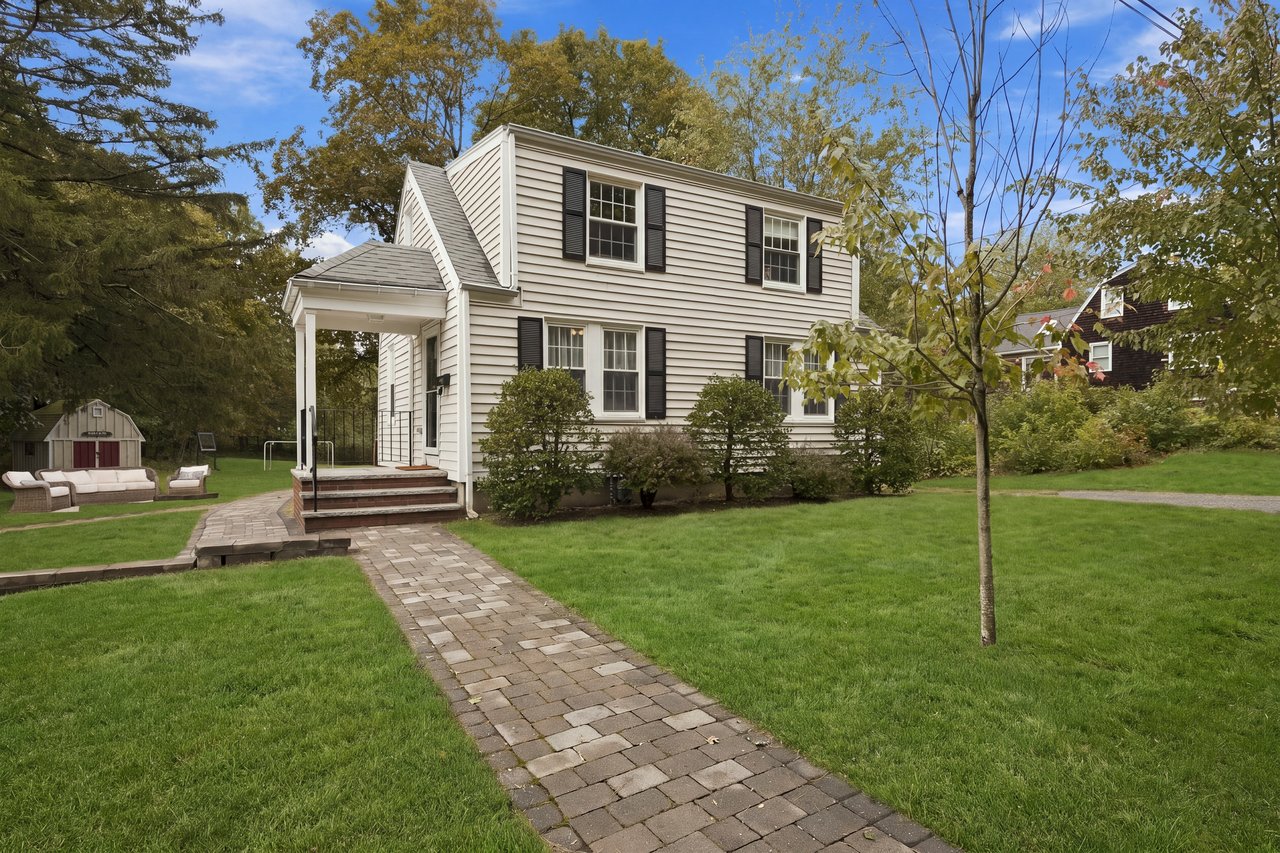
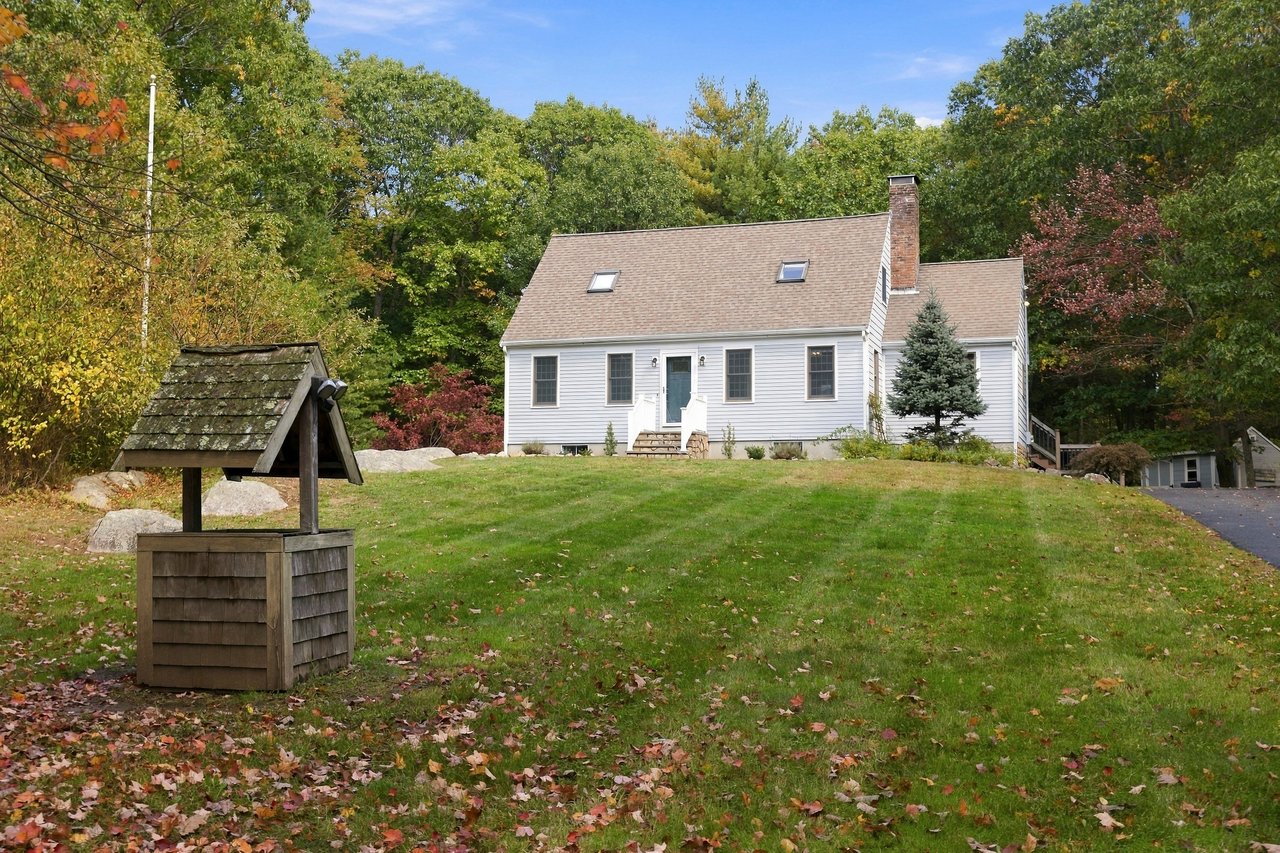
Hull’s housing stock is dominated by single-family homes. The town’s housing plan says about 67% of the housing stock is single-family, with 13% in two- to four-unit dwellings and 20% multifamily.
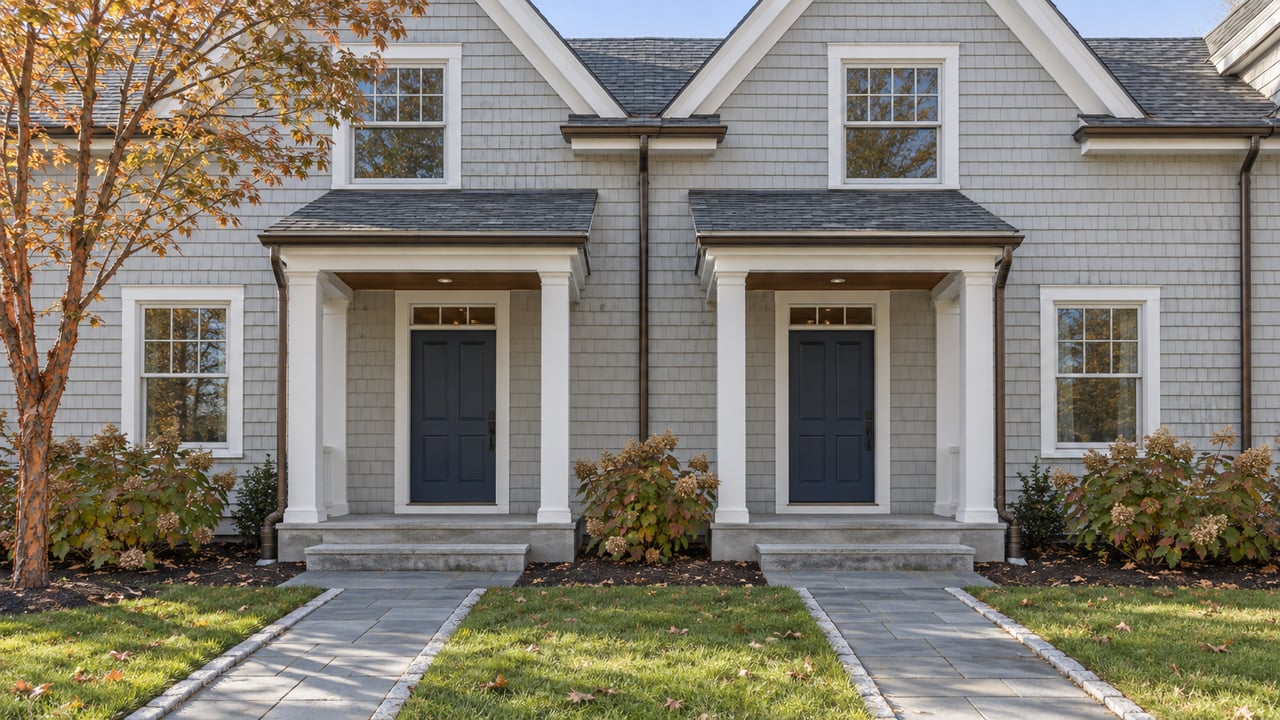
That mix helps shape the feel of the market. While there are some varied housing types, Hull still leans strongly toward traditional residential living rather than a dense urban format.
For buyers, that can mean a wider range of goals are possible. Depending on your priorities, Hull may work as a full-time residence, a coastal downsizing move, or a weekend retreat with better Boston access than many people expect.
Seasonal Rhythm Is Part of the Deal
Living in Hull means understanding seasonality. Summer brings more visitors, more beach activity, and more traffic tied to the shoreline.
The off-season is different. It is quieter, more local, and often more reflective of what year-round residents experience on a daily basis.
That seasonal shift is not incidental. The town’s 2026 Beach Management Plan shows that Hull actively balances recreation with storm and flooding mitigation and environmental preservation.
For some buyers, this is part of the charm. For others, it is an important planning factor, especially if you want a home that supports both busy summer energy and a calmer off-season routine.
Coastal Exposure Is a Real Consideration
Hull’s coastal setting is beautiful, but it also comes with real environmental considerations. State materials describe Hull as vulnerable to coastal storms, flooding, erosion, and hurricane impacts.
That does not mean you should avoid the market. It does mean you should approach a purchase with clear eyes and local guidance.
Massachusetts has documented adaptation work in Hull, including storm-damage response efforts along Crescent Beach and a freeboard incentive program. That shows how coastal resilience, elevation standards, and shoreline protection are part of ongoing planning in town.
If you are considering a purchase here, this is one area where local market knowledge matters. Understanding location, site conditions, and how a property fits into the town’s broader coastal planning picture can help you make a more confident decision.
How Hull Compares on the South Shore
Hull occupies a distinct niche among South Shore towns. Compared with places that are more commuter-rail oriented, Hull feels more beach-first and more closely tied to ferry access.
That difference is important. If your top priority is a classic suburban pattern with rail at the center, another town may be a better match.
If your goal is to live in a compact coastal community with real Boston access layered onto a beach-town routine, Hull becomes much more compelling. It offers a combination that is hard to replicate: a peninsula setting, year-round ferry service, public shoreline amenities, and a strong owner-occupied base.
Who Hull May Fit Best
Hull can make sense for several types of buyers, especially if you are clear on what you value most. It often stands out for people who want lifestyle and access in the same decision.
You may want to look more closely at Hull if you are seeking:
- A beach-town setting for full-time living
- Year-round access to Boston by ferry, with driving as a backup
- A compact coastal community instead of a conventional suburb
- Strong outdoor access, from beach walks to paddling and birding
- A South Shore location with a distinct waterfront identity
The key is fit. Hull is not trying to be everything to everyone, and that is exactly why it appeals so strongly to the right buyer.
If you are exploring South Shore towns and want help comparing commute patterns, waterfront lifestyle, and long-term market positioning, Tara Coveney can help you navigate the options with clear local insight and a tailored strategy.
FAQs
What makes Hull different from other South Shore towns?
- Hull is a compact peninsula town with about 33 miles of shoreline, a beach-first lifestyle, and year-round ferry access that gives it a different feel from more traditional suburban or commuter-rail-focused towns.
How do Hull residents get to Boston?
- Hull residents can use year-round ferry service to the Boston waterfront, along with fixed-route bus service, nearby commuter rail stations in Hingham and Cohasset, and road access through Route 228 and Route 3A.
Is Hull, Massachusetts a year-round town or a seasonal beach area?
- Hull has a strong year-round residential base, supported by an 81.1% owner-occupied housing rate that helps the town feel lived in beyond the summer season.
What is everyday life near Nantasket Beach like?
- Everyday life near Nantasket Beach can include walking, swimming, biking, seasonal events, boardwalk visits, and easy access to shoreline spaces that become part of regular routines.
What should homebuyers know about owning property in Hull?
- Homebuyers should understand that Hull’s coastal location brings added considerations related to flooding, erosion, storm exposure, and local resilience planning, so property-specific guidance is especially important here.