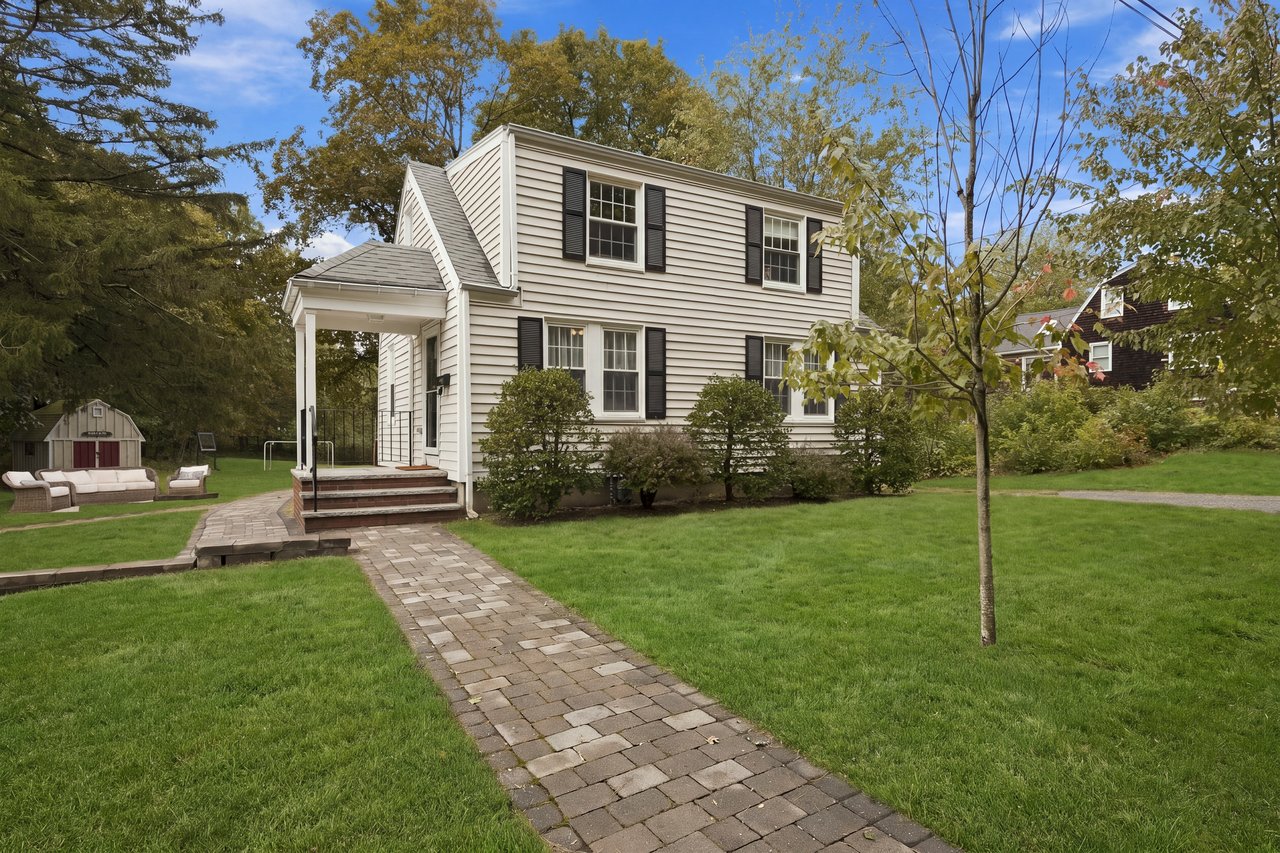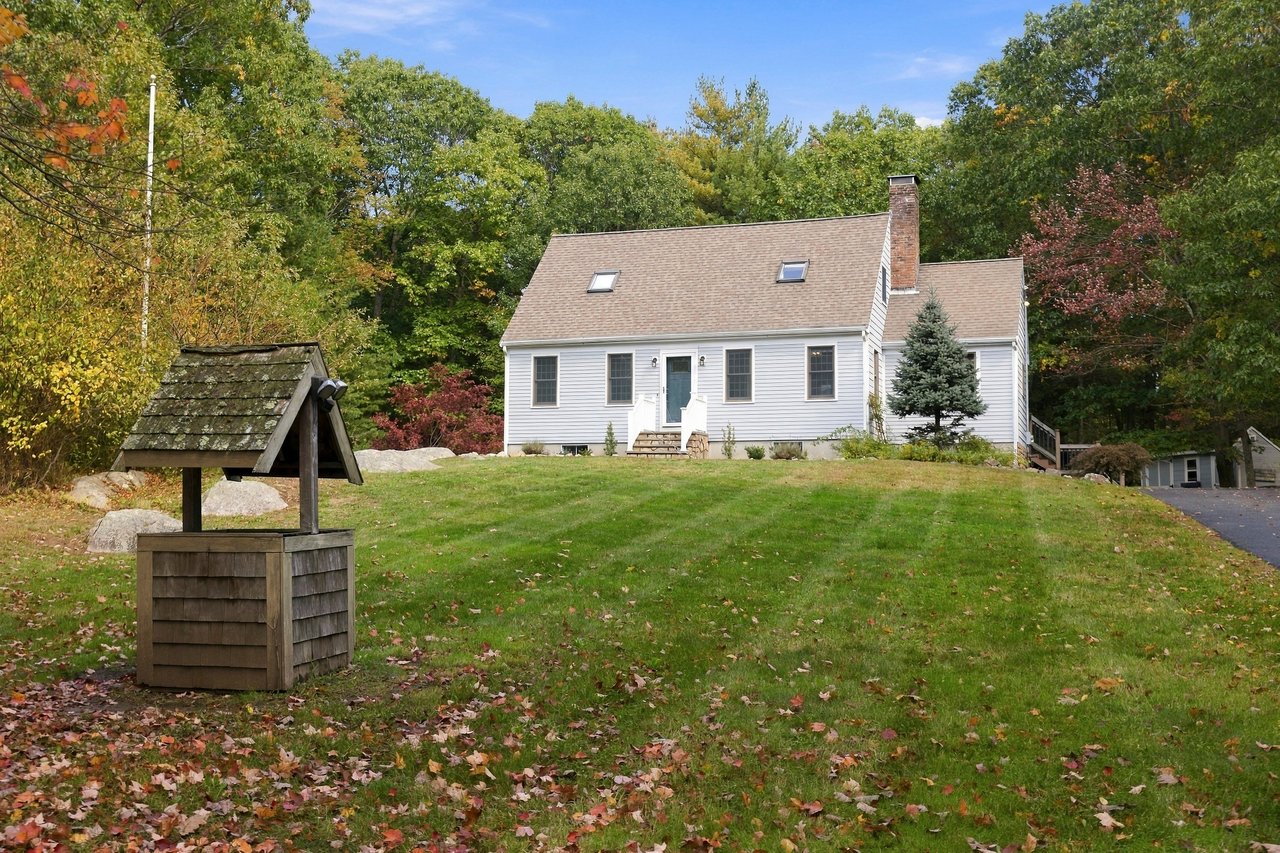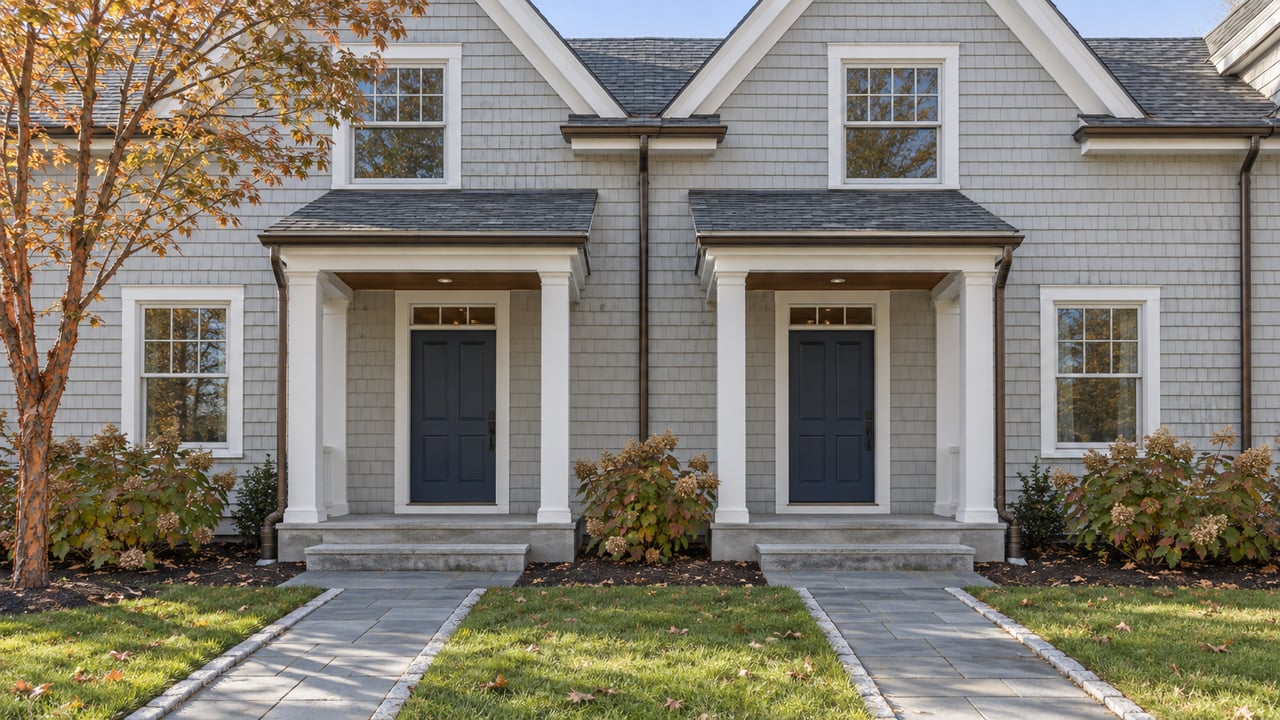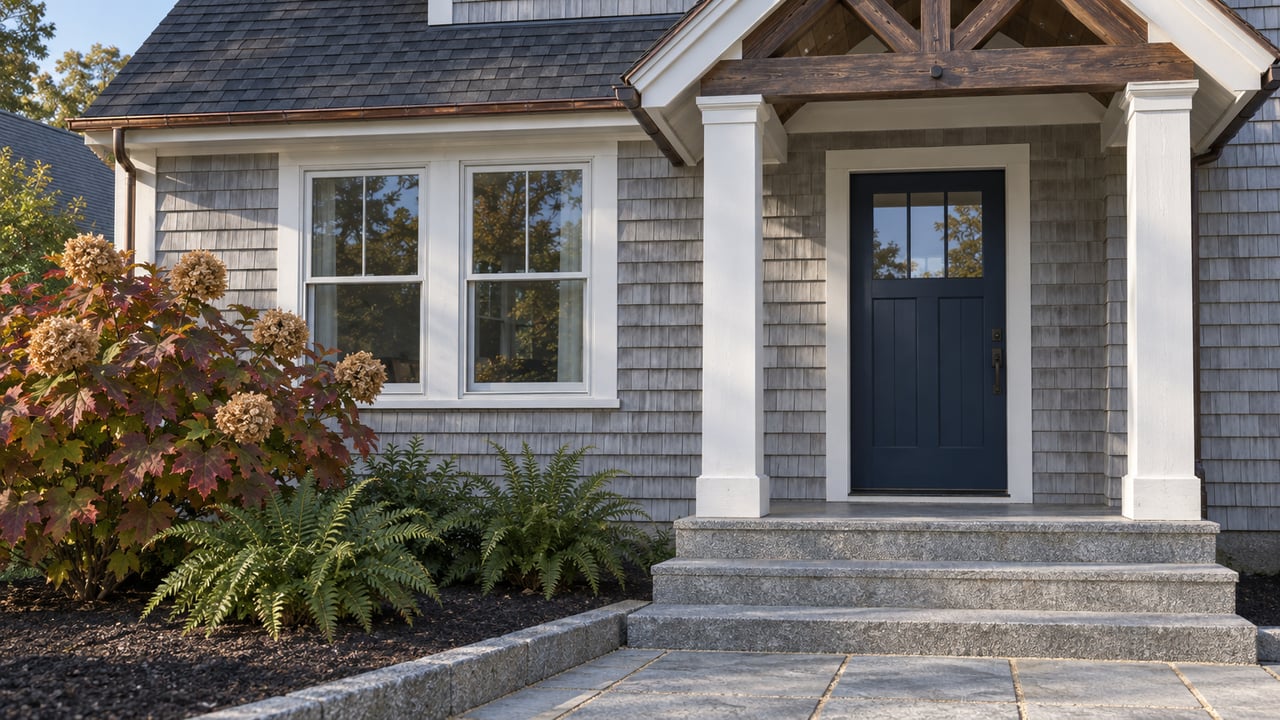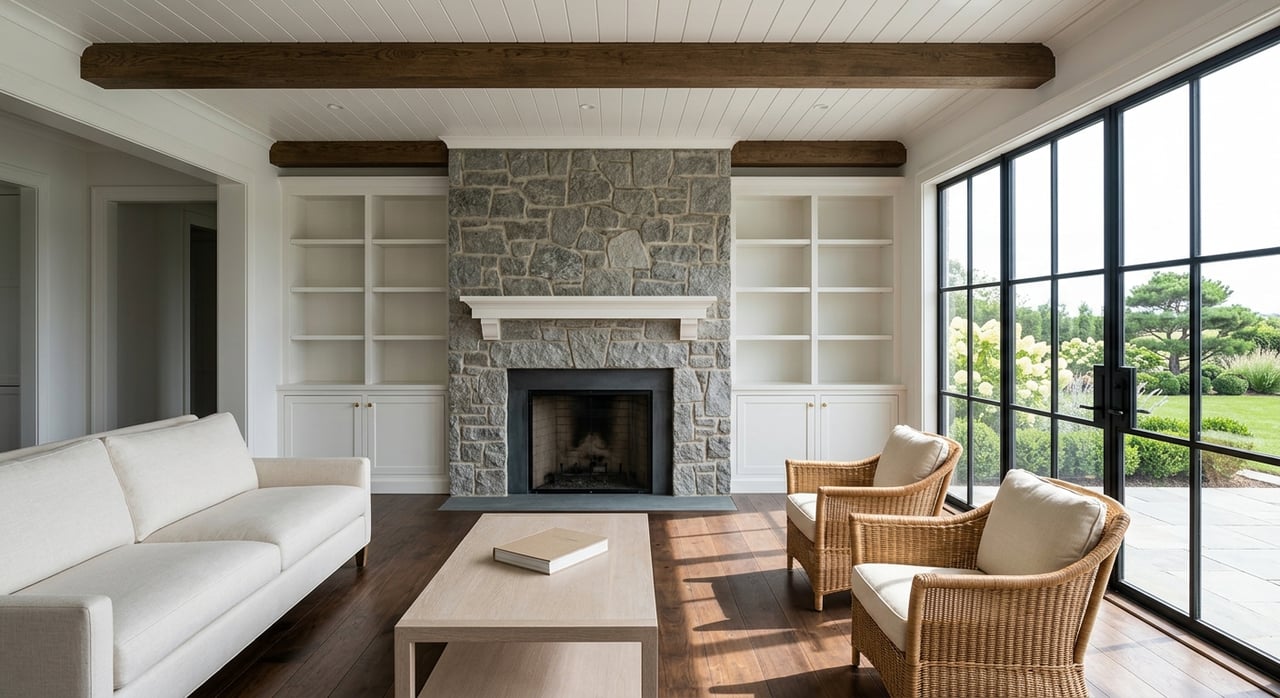
Dreaming about a place by the water that feels like a true escape, but still keeps you connected to Boston? Duxbury often lands on that short list for a reason. If you are considering a second home or retreat here, it helps to look beyond the postcard appeal and understand the costs, rules, and ownership details that can shape your experience. Let’s dive in.
Why Duxbury appeals to second-home buyers
Duxbury offers a coastal setting with a strong residential character, about 35 miles south of Boston in Plymouth County. The town is known for its historic identity, beaches, preserved open space, cranberry bogs, oyster beds, and shipbuilding-era homes. For many buyers, that mix creates a retreat that feels distinct from the city without being too far from it.
If you want a home that works for weekends, summers, or longer seasonal stays, Duxbury can check a lot of boxes. You get shoreline access, classic New England character, and a market built more around homes than resort-style inventory. That can be a big part of the appeal if you want privacy and a more residential pace.
What the housing mix looks like
Duxbury is primarily a single-family market. According to the town’s FY2026 tax classification hearing materials, the single-family class represented 85.3% of town value, and residential property made up 97.85% of the town by value. In practical terms, that means your search will likely focus on detached homes rather than large condo developments.
That said, the market is not one-size-fits-all. The town’s history and housing documents point to a mix that can include historic homes, coastal properties, and some condominium options. If you are weighing a larger retreat against a lower-maintenance property, that distinction matters.
What prices suggest right now
Duxbury sits in a high-end price tier, which is important to understand before you begin your search. Redfin reported a three-month median sale price of $1.179 million and a median 22 days on market in May 2026. Realtor.com reported a median listing price of $1.25 million and described Duxbury as a seller’s market in March 2026, with homes selling around asking price on average.
Older town housing-plan data helps add useful range context. That report showed recent MLS averages of about $889,552 for a three-bedroom single-family home and $582,111 for a two-bedroom condominium. Even with changing market conditions, those numbers reinforce that both single-family homes and condos in Duxbury can command meaningful price points.
Single-family home or condo?
Your best fit often comes down to how you plan to use the property. A single-family home may give you more privacy, outdoor space, and flexibility for extended stays or hosting guests. It may also come with more maintenance, especially if the property is exposed to coastal weather.
A condo or townhouse-style option may reduce some of that upkeep. It can also offer a lower entry point than a larger detached home, though the town’s housing data suggests condo pricing is still relatively expensive. If convenience matters as much as square footage, this category may be worth a closer look.
Beach access matters more than many buyers expect
In Duxbury, the beach lifestyle is a major draw, but access is not always as simple as it sounds. MassDOT notes that Powder Point Bridge is the only direct road access between Duxbury and Duxbury Beach. The town also states that access, parking, and drive-on permissions can vary by season, permit status, tide, weather, and protected wildlife conditions.
That means a home near the water does not automatically deliver the same day-to-day beach experience as another nearby property. If beach use is central to your plans, you will want to evaluate access logistics early. Small differences in location and permit requirements can affect how convenient the property feels in real life.
Coastal ownership comes with extra due diligence
Owning near the coast in Duxbury can be rewarding, but it also calls for a more detailed review than a typical inland purchase. The town’s coastal resiliency materials note increasingly frequent flood threats tied to stronger storm surges, more intense coastal storms, and rising sea levels. Town planning materials also show continued attention to beach maintenance, seawall management, drainage, and water-quality protection.
For you as a buyer, that means the lifestyle decision should also be a risk-planning decision. A beautiful setting can come with added exposure, added maintenance, and added insurance considerations. It is better to understand those factors upfront than to treat them as afterthoughts.
Budgeting for taxes in Duxbury
Property taxes should be part of your second-home math from the beginning. Duxbury’s FY2026 residential tax rate is $10.00 per $1,000 of assessed value. The town’s materials also show an average residential tax bill of $13,015, a median bill of $10,110, and a median residential value of $1,011,000.
A simple way to think about it is this: before exemptions or special charges, the rate works out to about $1,000 in annual town tax for every $100,000 of assessed value. For a second-home buyer in the luxury or upper-tier segment, that can become a significant part of yearly carrying costs.
The town has historically used a single tax rate and has not adopted a residential exemption. So if you are buying a retreat rather than a primary residence, you should not assume there will be owner-occupant tax relief built into the equation.
Insurance needs separate attention
Insurance is another area where second-home buyers should slow down and verify details. Duxbury’s planning department directs owners to FEMA’s Flood Map Service Center because the town GIS flood-zone data may not be current. Mass.gov also states that standard homeowners policies do not cover flood damage.
That distinction is important in a coastal market. Flood insurance may need to be evaluated separately from your homeowners policy, and secondary-premises coverage for a summer home is typically not automatic under the policy on your primary residence. If you are comparing properties, insurance cost and availability can meaningfully affect affordability.
Seasonal upkeep can be higher than expected
Coastal ownership often requires a different maintenance mindset. The town’s stormwater page notes long-term investment in stormwater treatment toward Duxbury Bay, and local resiliency planning highlights ongoing beach and seawall work. Those local conditions support a practical assumption that drainage, exterior wear, winterization, and shoreline-adjacent upkeep may require a bigger reserve than you would budget for an inland home.
That does not mean every second home will be high maintenance. It does mean your inspection and budgeting process should be especially thorough. Age, exposure, drainage conditions, and proximity to the coast can all shape ongoing costs.
Can a second home generate rental income?
Some buyers hope to offset carrying costs with rental income, but Duxbury is a market where you should verify assumptions carefully. Massachusetts room occupancy excise generally applies to short-term rentals of 31 days or less. The state also allows municipalities to charge a local room occupancy excise of up to 6%, and operators of taxable lodging must register with the Department of Revenue through MassTaxConnect.
Local rules matter just as much as state tax treatment. Duxbury’s zoning bylaw states that if an ADU or the principal dwelling is rented as part of a protected-use ADU setup, the minimum rental term must be 31 days or more, and short-term rentals are prohibited. If income is part of your purchase strategy, you should confirm the exact zoning status and property-specific rules before relying on any projected return.
Why long-term rental may be more realistic
The broader picture in Duxbury points to limited rental inventory. Realtor.com showed only 11 rentals with a median rent of about $3,300 per month, and the town’s 2024 Housing Production Plan noted relatively little large-scale market-rate rental housing. That suggests rental supply is constrained, but it does not automatically make every property a strong income play.
For many second-home buyers, long-term rental use may be more realistic than vacation-rental use. Even then, you will want to test the economics against vacancy, insurance, maintenance, and parcel-specific restrictions. In a market like Duxbury, lifestyle value and financial value need to be evaluated together.
Smart questions to ask before you buy
A second home should feel like an upgrade to your life, not a source of avoidable surprises. Before you move forward, it helps to ask focused questions about the property and the location.
Consider this checklist:
- What is the home’s flood-zone status, and how current is the mapping used to evaluate it?
- What are the estimated homeowners and flood insurance costs?
- How easy is beach access in practice, based on permits, parking, tides, and seasonal rules?
- What annual maintenance should you expect for drainage, exterior care, and winterization?
- If rental income matters, what local zoning and tax rules apply to this specific property?
- How do taxes affect the full yearly carrying cost?
A practical way to approach your search
In a market like Duxbury, the right purchase usually comes from matching the home to your actual use pattern. If you want effortless summer weekends, a lower-maintenance property may fit better than a larger home with more systems and exposure. If you want a long-term family retreat with privacy and entertaining space, a single-family home may justify the added carrying costs.
The key is to compare properties on more than beauty and location alone. You will want to weigh access, taxes, insurance, maintenance, and rental flexibility alongside style and setting. That is often what separates a good coastal purchase from a great one.
If you are thinking about buying a second home or retreat on the South Shore, working with a local advisor can help you evaluate the tradeoffs with clarity. For tailored guidance, local market insight, and a more strategic search, reach out to Tara Coveney.
FAQs
What makes Duxbury appealing for a second home?
- Duxbury offers a coastal setting, historic character, preserved open space, and access to Boston from a primarily residential South Shore town.
What types of second homes are common in Duxbury?
- Duxbury is largely a single-family market, though some buyers may also find condominium options that offer a lower-maintenance alternative.
What is the price range for homes in Duxbury?
- Recent 2026 market reports placed the median sale price around $1.179 million and the median listing price around $1.25 million, with older town data showing lower but still substantial averages for both single-family homes and condos.
What should buyers know about Duxbury property taxes?
- Duxbury’s FY2026 residential tax rate is $10.00 per $1,000 of assessed value, and the town has historically used a single tax rate without a residential exemption.
What insurance issues matter for a Duxbury second home?
- Buyers should review flood exposure carefully because standard homeowners policies do not cover flood damage, and coverage for a second home is typically not automatic under a primary-home policy.
Can you use a Duxbury second home as a short-term rental?
- You should verify the specific property rules first, because Massachusetts taxes short-term rentals and Duxbury zoning restricts short-term rental use in certain ADU-related situations.
Is a long-term rental more realistic in Duxbury?
- In many cases, yes, because local rules and limited rental inventory suggest long-term rental use may be more practical than vacation-rental use.
What due diligence matters most for a Duxbury retreat purchase?
- Focus on flood-zone review, insurance costs, beach-access logistics, property taxes, maintenance needs, and any rental restrictions before closing.