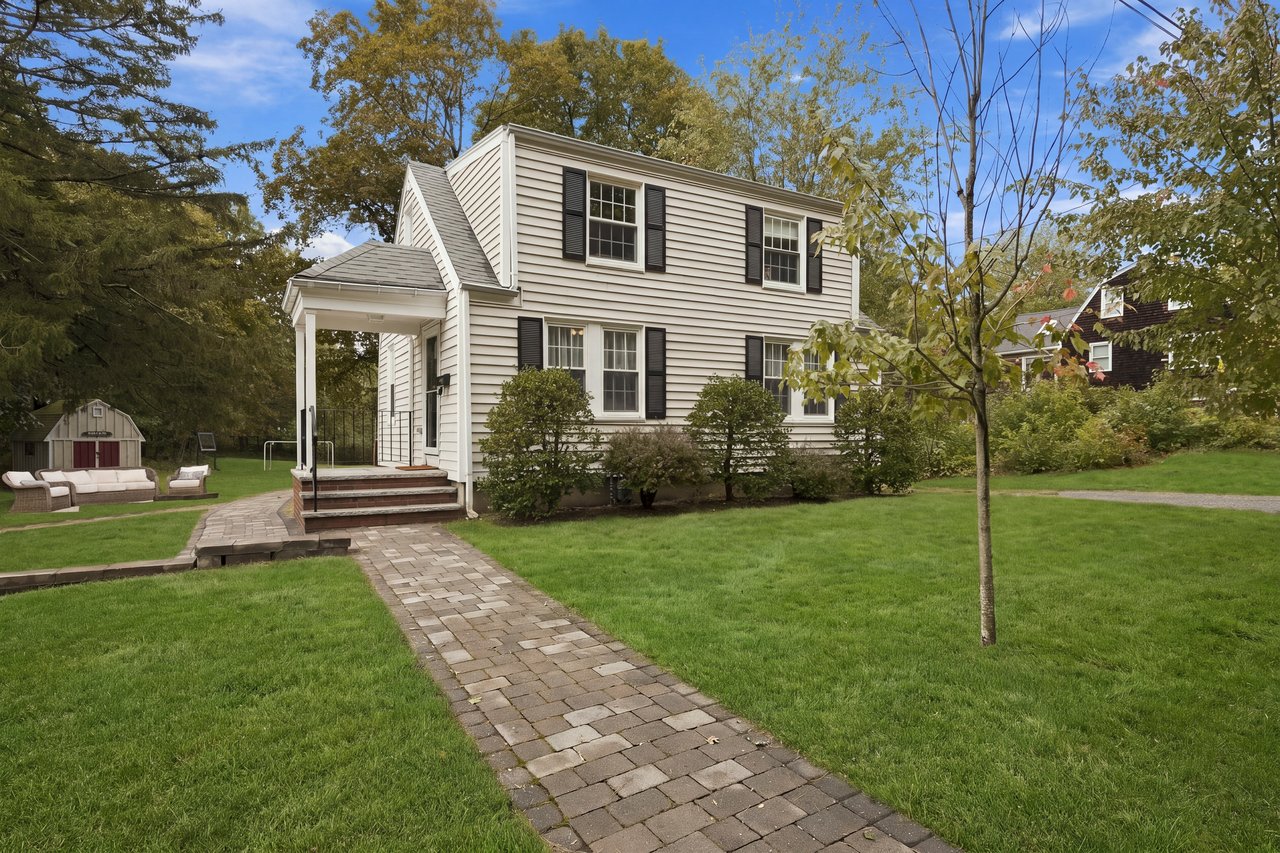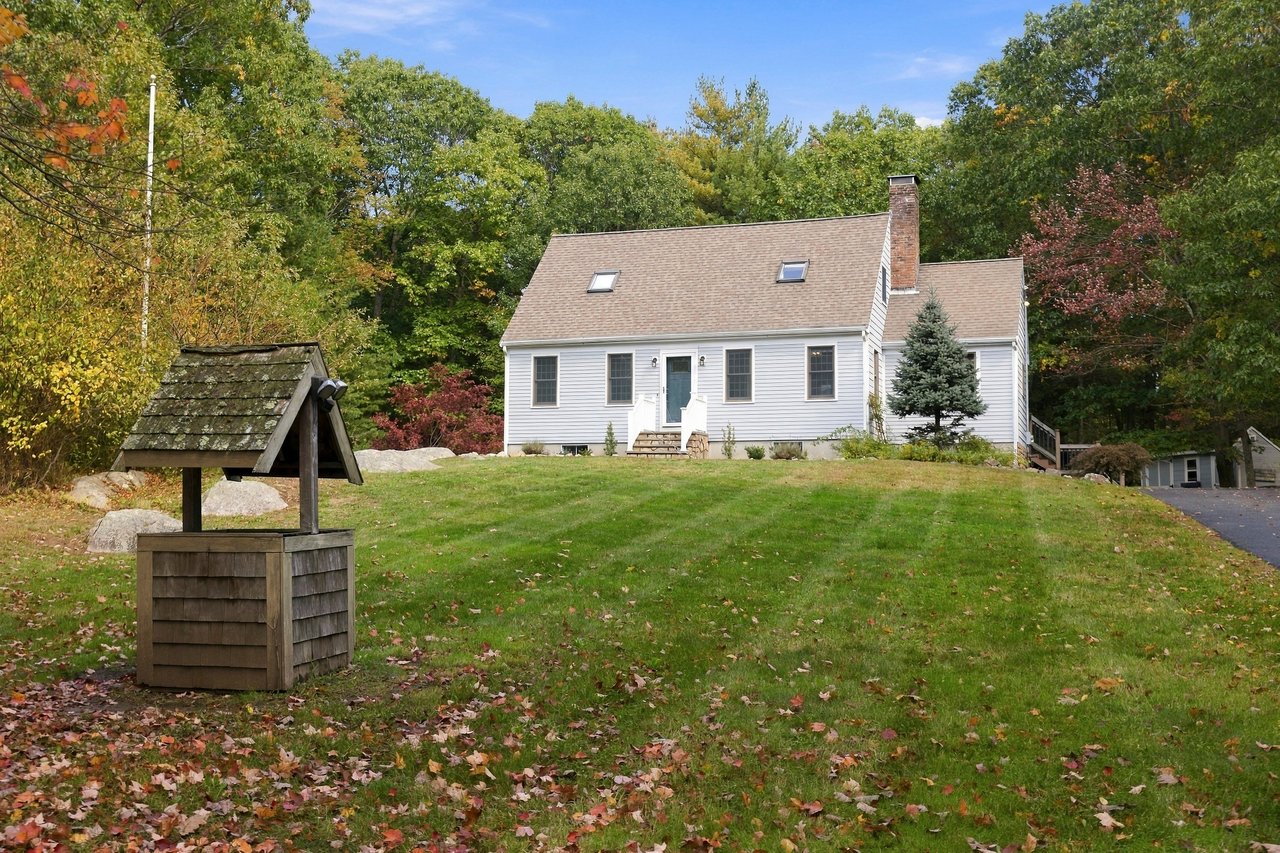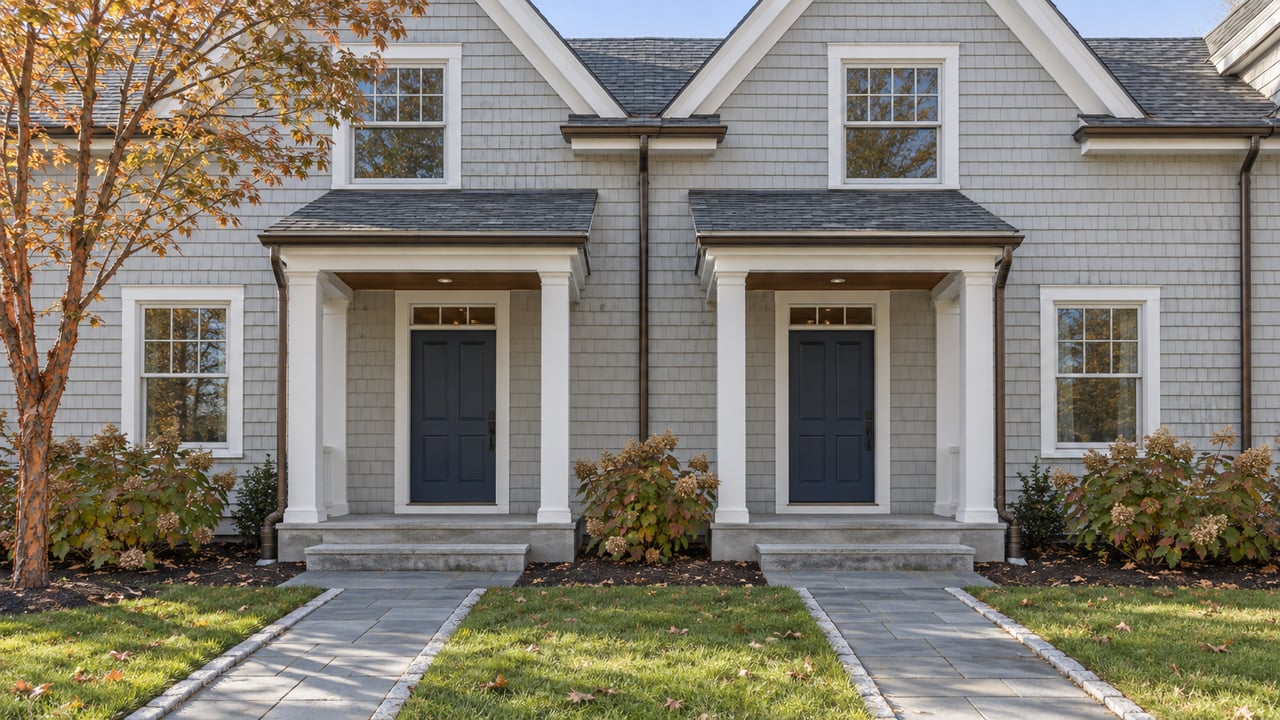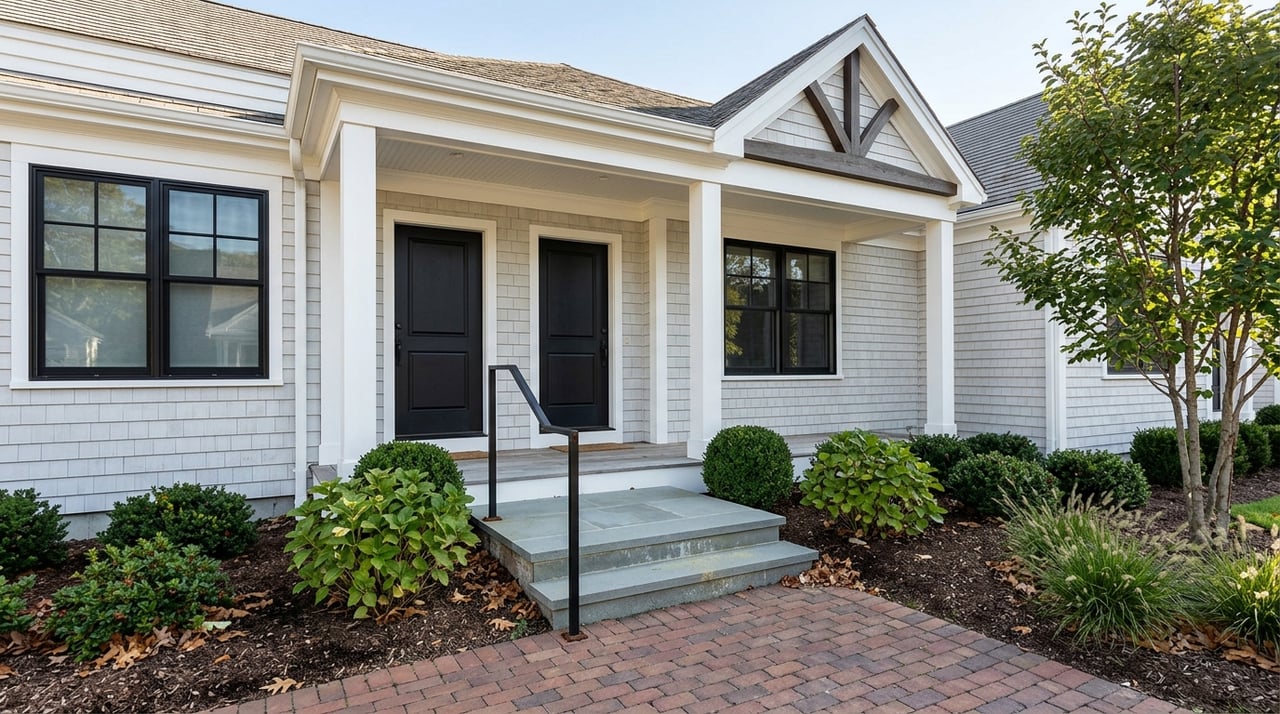
Buying your first home in Weymouth can feel like a tradeoff from the start. Do you go for a condo with a lower price tag and less upkeep, or stretch for a single-family home with more space and control? If you are weighing both options, this guide will help you compare cost, lifestyle, and resale factors so you can make a smarter decision in Weymouth’s active market. Let’s dive in.
Weymouth Gives First-Time Buyers Options
Weymouth stands out because it offers a mix of housing types in a strongly residential South Shore setting. The town describes its housing stock as diverse, and that matters if you are trying to find an affordable entry point without leaving the area.
Weymouth also offers solid commuter access to Boston. According to the town, the three MBTA commuter rail stations in Weymouth provide trips to South Station in about 30 to 35 minutes, which can make certain condo and single-family locations more appealing depending on your work routine.
The local market is still competitive. Redfin data for the three months ending May 2026 shows a median sale price of $614,632 in Weymouth, with homes selling in about 22 days and receiving about 2 offers on average.
That context helps explain why many first-time buyers start by comparing condos with single-family homes. Redfin also shows 18 condos for sale at a median listing price of $375,000, which places condos well below the broader town median.
Condos Offer a Lower Entry Price
For many buyers, the biggest advantage of a condo is the lower purchase price. In Weymouth, that lower entry point can make homeownership feel more reachable, especially if you want to stay close to Boston without paying prices found in many nearby communities.
A condo can also simplify day-to-day ownership. Fannie Mae defines a condo as an individual unit within a larger building or community, where owners jointly own common areas and usually pay a mandatory condo fee.
That fee may cover items such as exterior repairs, common-area maintenance, water, sewer, trash, insurance, reserves, and sometimes recreation amenities. In simple terms, you may give up some independence, but you can also avoid handling every exterior issue on your own.
This can be especially appealing if you want a more lock-and-leave lifestyle. If your priority is lower maintenance, a condo may fit better than a detached home.
Where condos may fit best in Weymouth
In Weymouth, condo buyers often focus on areas with a more walkable or transit-oriented feel. The town notes that Weymouth Landing includes a commuter rail station, restaurants, and a mix of housing types, including single-family homes and apartment buildings.
The town also notes that mixed-use buildings are allowed there by special permit. For a first-time buyer who values train access and nearby amenities, that kind of setting may line up naturally with condo living.
Single-Family Homes Offer More Control
A single-family home usually gives you more space, more privacy, and more flexibility. If you want your own yard, more storage, dedicated parking, or room to change the property over time, a detached home often checks those boxes better than a condo.
You also control the property more directly. There is no condo association making decisions about shared spaces, reserve spending, or building rules.
That said, the extra freedom comes with more responsibility. The CFPB notes that homeowners are responsible for maintenance and repairs, from small issues like a leaky faucet to major costs like roof replacement.
For a starter-home buyer, that is one of the biggest differences to understand. A single-family home can offer long-term flexibility, but you need to be ready for the time and money that upkeep requires.
What that means for your daily life
If you like doing projects, want outdoor space, or expect your needs to grow, a single-family home may feel like the better fit. You have more control over how the property is used and improved.
If you would rather avoid mowing, exterior repairs, or managing major building systems right away, a condo may feel more manageable. The right answer depends less on the property type itself and more on how you want to live.
Monthly Cost Is More Than the Price Tag
A lower list price does not always mean a lower monthly cost. That is one of the most important things to remember when comparing condos and single-family homes in Weymouth.
The CFPB says HOA or condo dues are usually paid separately from your mortgage payment. Fannie Mae also notes that these fees may be monthly, quarterly, or annual, and they help fund maintenance and amenities.
So while a condo in Weymouth may cost less upfront, your monthly payment picture needs to include more than principal and interest. You should also factor in property taxes, insurance, condo fees, utilities, and a reserve for unexpected expenses.
A quick Weymouth tax comparison
Weymouth’s FY2026 residential tax rate is $10.12 per $1,000 of assessed value. Using the local figures in the research as a rough example, a $375,000 condo would have about $316 per month in property taxes before exemptions, while a $614,632 home would have about $518 per month.
That is a difference of about $202 per month in taxes alone. This does not make one option better than the other, but it does show how much taxes can shape affordability.
The town’s FY2025 annual report also says the average tax bill for a single-family residence in Weymouth was $5,957, which was below the Massachusetts average of $7,730. Even so, taxes remain a meaningful part of your total monthly housing cost.
Insurance and repair budgeting
Fannie Mae notes that condo insurance is typically less expensive than single-family coverage. That can help offset some of the monthly cost of condo fees, though it will not erase them.
On the single-family side, your monthly budget should leave room for repairs and maintenance. Fannie Mae recommends planning for down payment, closing costs, taxes, insurance, utilities, HOA or condo fees if applicable, and an emergency reserve for repairs and surprises.
Condo Financing Needs Extra Review
If you are buying a condo, you are not only buying the unit. You are also buying into the financial health and rules of the association.
Fannie Mae says condo buyers should ask about reserve funds, special assessments, association bylaws, and whether the condo is warrantable. Lenders may also review the community’s physical condition, financial stability, debts, lawsuits, and required inspections before approving some condo loans.
That added layer of review is important in a competitive market. A condo that seems affordable at first glance may become less appealing if the association is underfunded or if a major assessment is expected.
By contrast, detached homes usually do not involve condo documents or shared-building governance. The tradeoff is that you take on the full cost of maintaining the property yourself.
Resale Depends on More Than Home Type
Both condos and single-family homes can make sense as starter homes, but resale strength depends on different factors. With a condo, buyer confidence can be shaped by the association’s reserves, fee structure, special assessments, and project eligibility for financing.
Fannie Mae specifically warns that condo association decisions can affect property values. That means the right condo is not just about the unit itself. It is also about how well the broader community is managed.
With a single-family home, resale tends to hinge more on the condition of the property and how well maintenance has been handled over time. There is usually more control, but there is also no shared system helping cover exterior costs.
In Weymouth, that distinction matters because buyers may be comparing village-style locations with more suburban settings. Your resale path may look different depending on whether your future buyer values convenience, commute access, space, or privacy.
How to Choose the Right Starter Home
The best starter home in Weymouth is not the same for everyone. It depends on what matters most in your day-to-day life and what fits your budget comfortably.
A condo may be the better choice if you want:
- A lower entry price
- Less exterior maintenance
- A more transit-oriented location
- Simpler day-to-day ownership
A single-family home may be the better choice if you want:
- More space
- A yard or more outdoor area
- Greater privacy
- More control over repairs and improvements
Because Weymouth is a fast-moving market, it helps to define your non-negotiables early. Redfin’s market data suggests buyers should be prepared to move in a timely way once the right property appears.
Questions to ask yourself first
Before you start touring homes, get clear on these points:
- What monthly payment feels comfortable after taxes, insurance, and any condo fee?
- How much maintenance are you willing to handle yourself?
- Do you want outdoor space or is convenience more important?
- How important is commuter rail access?
- Are you comfortable with condo rules and shared decision-making?
If you can answer those questions honestly, the condo-versus-single-family decision usually gets much clearer.
Weymouth offers a real choice for first-time buyers, which is part of its appeal. Whether you are leaning toward a condo near transit or a single-family home with more room to grow, the smartest move is to compare the full cost, the lifestyle fit, and the long-term tradeoffs before you make an offer.
If you want help weighing starter-home options in Weymouth and the South Shore, request a private market consultation with Tara Coveney.
FAQs
What is the main difference between a Weymouth condo and a single-family starter home?
- A condo usually offers a lower purchase price and less exterior maintenance, while a single-family home usually offers more space, privacy, and control with greater repair responsibility.
Are Weymouth condos always cheaper per month than single-family homes?
- Not always. Condos may have a lower purchase price, but condo fees, taxes, insurance, and other costs can narrow the monthly gap.
How competitive is the Weymouth housing market for first-time buyers?
- Recent Redfin data shows Weymouth homes selling in about 22 days with about 2 offers on average, which points to an active market.
What should buyers review before purchasing a condo in Weymouth?
- Buyers should review condo fees, reserve funds, special assessments, association bylaws, and whether the project meets lender requirements.
Which Weymouth starter home is better for commuters to Boston?
- Buyers who prioritize commuter rail access may find condos especially appealing in more transit-oriented areas such as Weymouth Landing, though some single-family homes can also offer convenient station access.